Overview
Boxmis was a digital platform focused on connecting importers with providers, helping teams track import and export processes from one place.
When I joined, the product already had a first version built mainly from an engineering perspective. My work focused on structuring the UX/UI area and leading the product update from a user-centered perspective.
The main value was transforming a waterfall-style product operation into a more iterative, documented, and scalable model.
The challenge
The product had initially been built by a technical team, without a formal process for design, research, or continuous validation.
Product difficult to scale
The architecture was not clearly defined, and the product could not respond quickly to user and business feedback.
Waterfall process
The team had limited ability to test, learn, and adjust the product in short cycles.
The challenge was not only redesigning an interface, but helping the organization change how it built product.
Objective
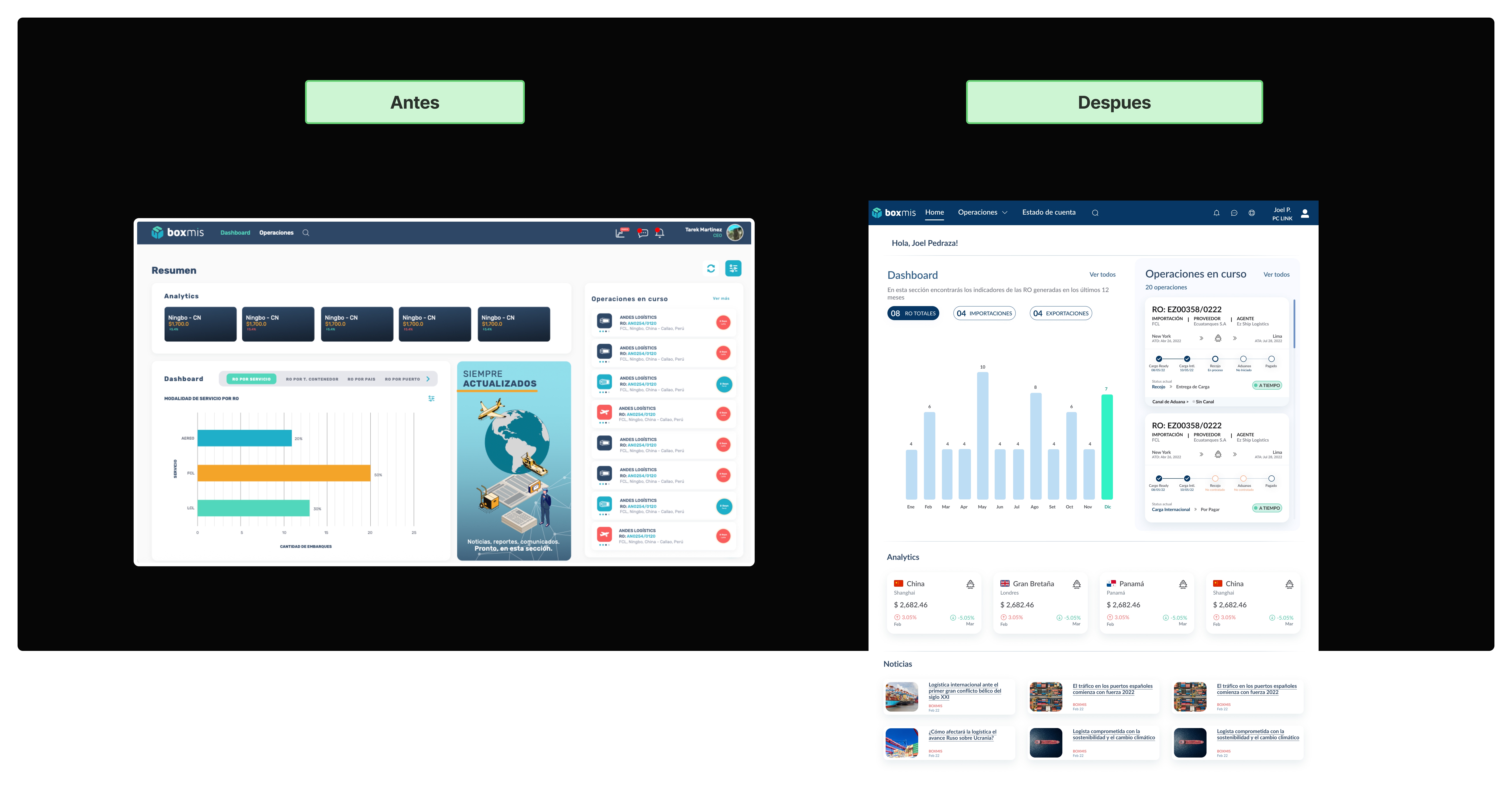
Structure a design and product process that allowed Boxmis to update the platform in a more organized, user-centered way aligned with business priorities.
Define UX/UI
Create the foundations of the UX/UI area, its working process, and its integration with business and engineering.
Update the product
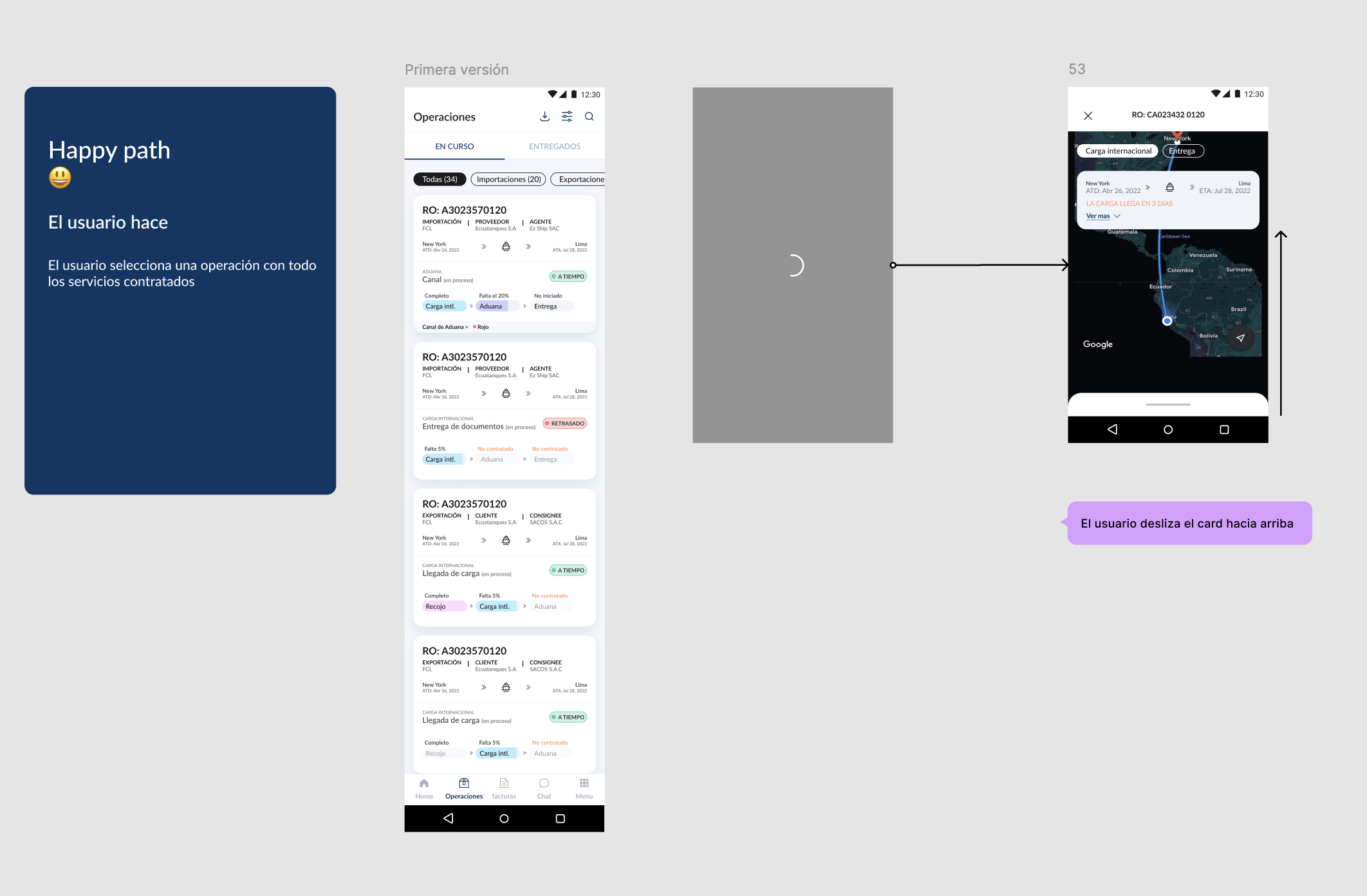
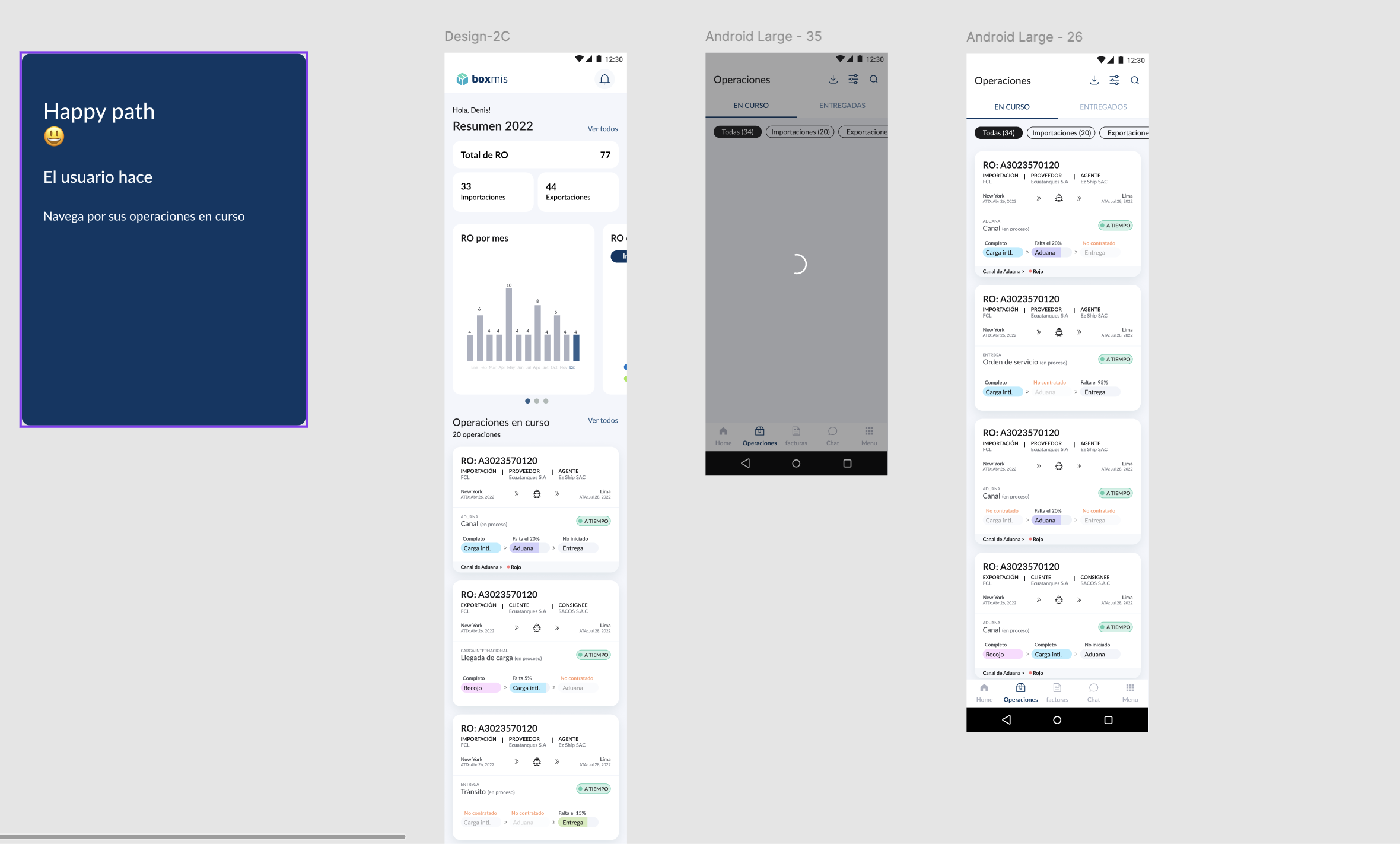
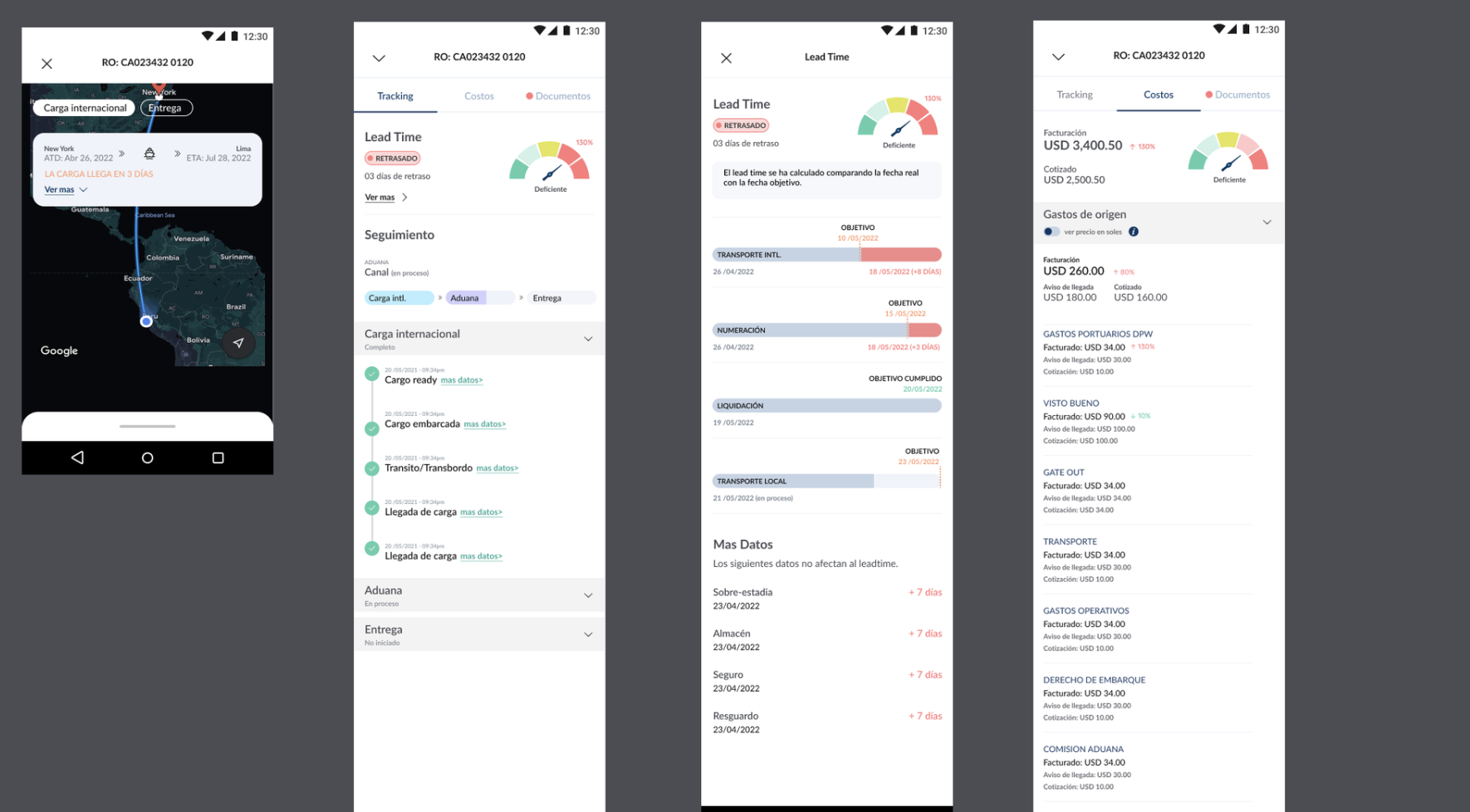
Redefine architecture, main flows, and MVP scope to simplify import and export processes.
Scale with consistency
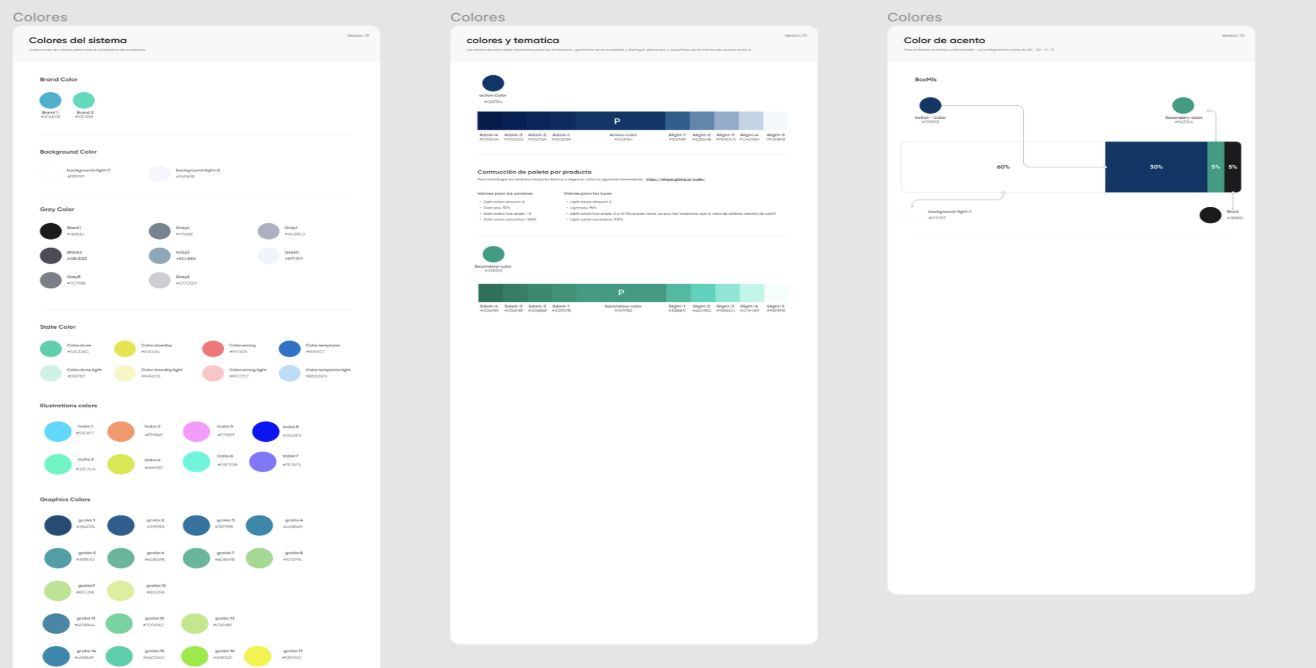
Create a design system foundation, documentation, and handoff to support product evolution.
My role and scope
I participated as Lead UX/UI and UX/UI Designer, combining product strategy, design processes, information architecture, flow definition, documentation, and direct collaboration with engineering.
Strategic alignment
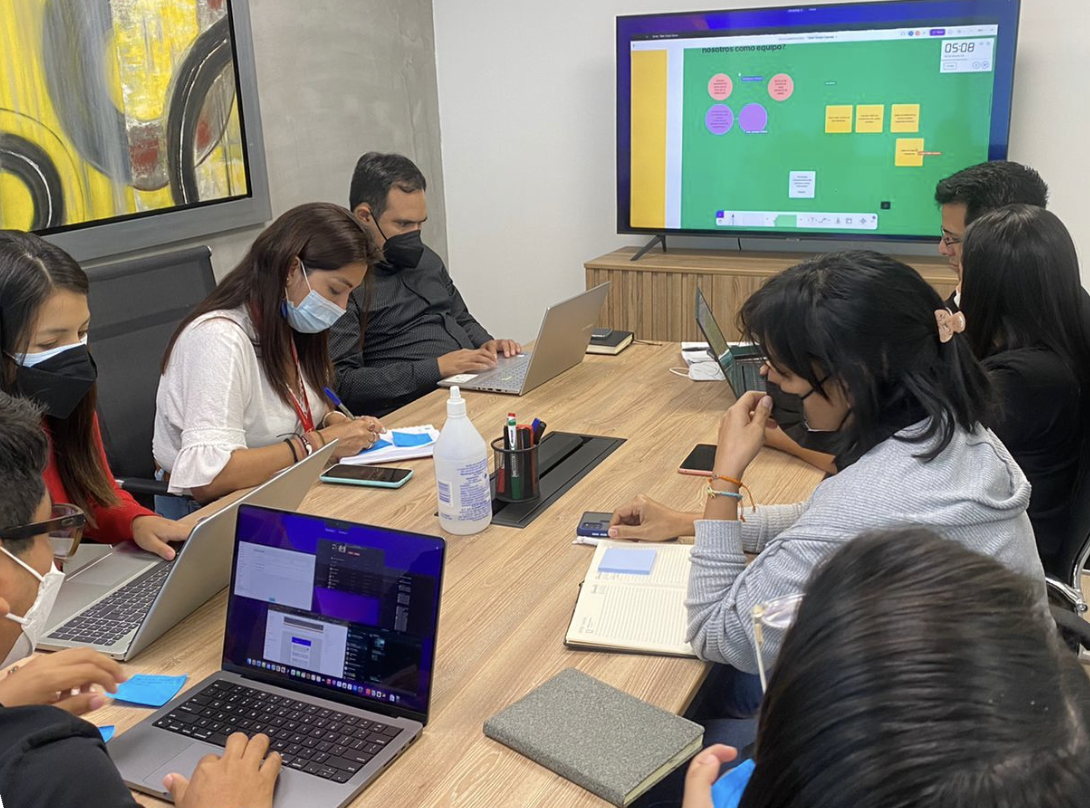
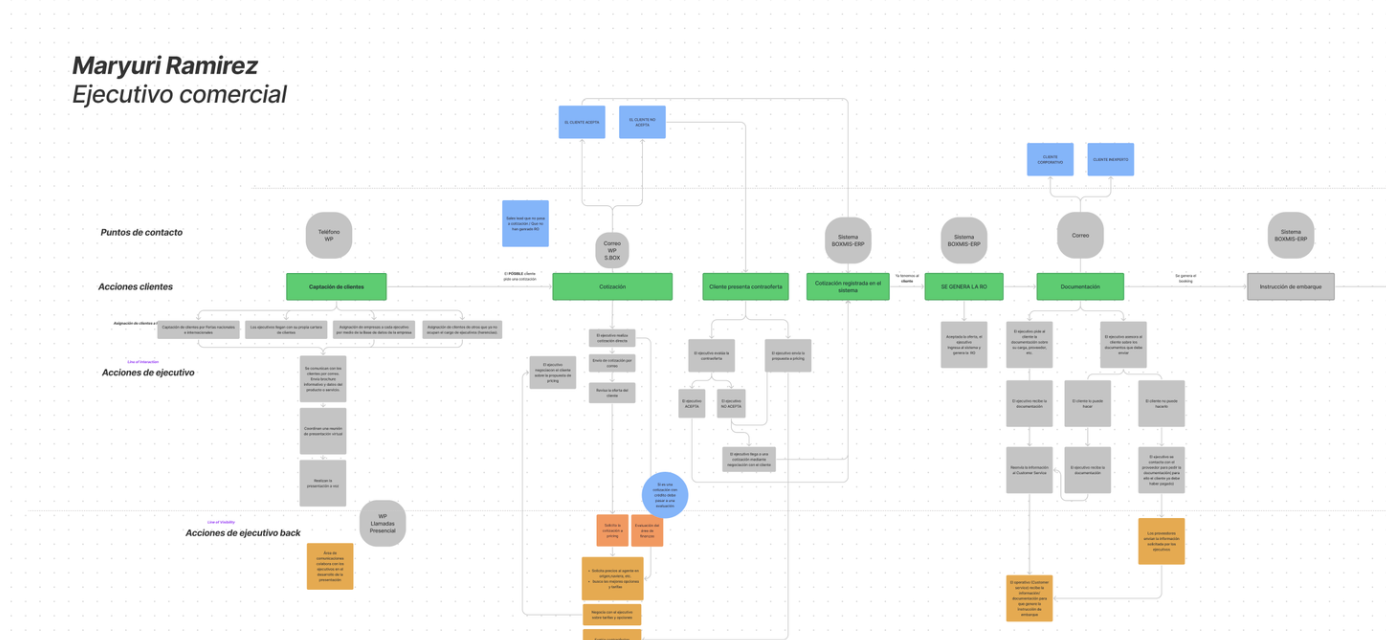
I worked with the CEO and commercial team to understand real international logistics processes and prioritize a simpler MVP.
Technical collaboration
I met with 6 developers and a technical lead to understand structure, database logic, and constraints before designing changes.
Knowledge transfer
I documented processes, flows, cases, and criteria so the new design team could continue the work.
How I worked
I organized the project from business understanding to documentation and transfer, aiming to replace waterfall logic with an iterative dynamic.
Context
Sessions with the CEO and commercial team to understand import, export, and main frictions.
Diagnosis
Analysis of the existing product, flows, functional clarity, and technical constraints.
Iteration
Proposal of 2-week sprints, ceremonies, testing, and design-engineering coordination.
Scalability
Roadmap, design system, accessibility tokens, documentation, and handoff.
Deliverables
1. Roadmap and UX/UI process
I defined the product update roadmap and a documented working process to integrate business, design, and engineering.
- Iterative model with 2-week sprints.
- Workshops with business and commercial teams.
- Epics, initial backlog, and MVP priorities.
2. Architecture and main flows
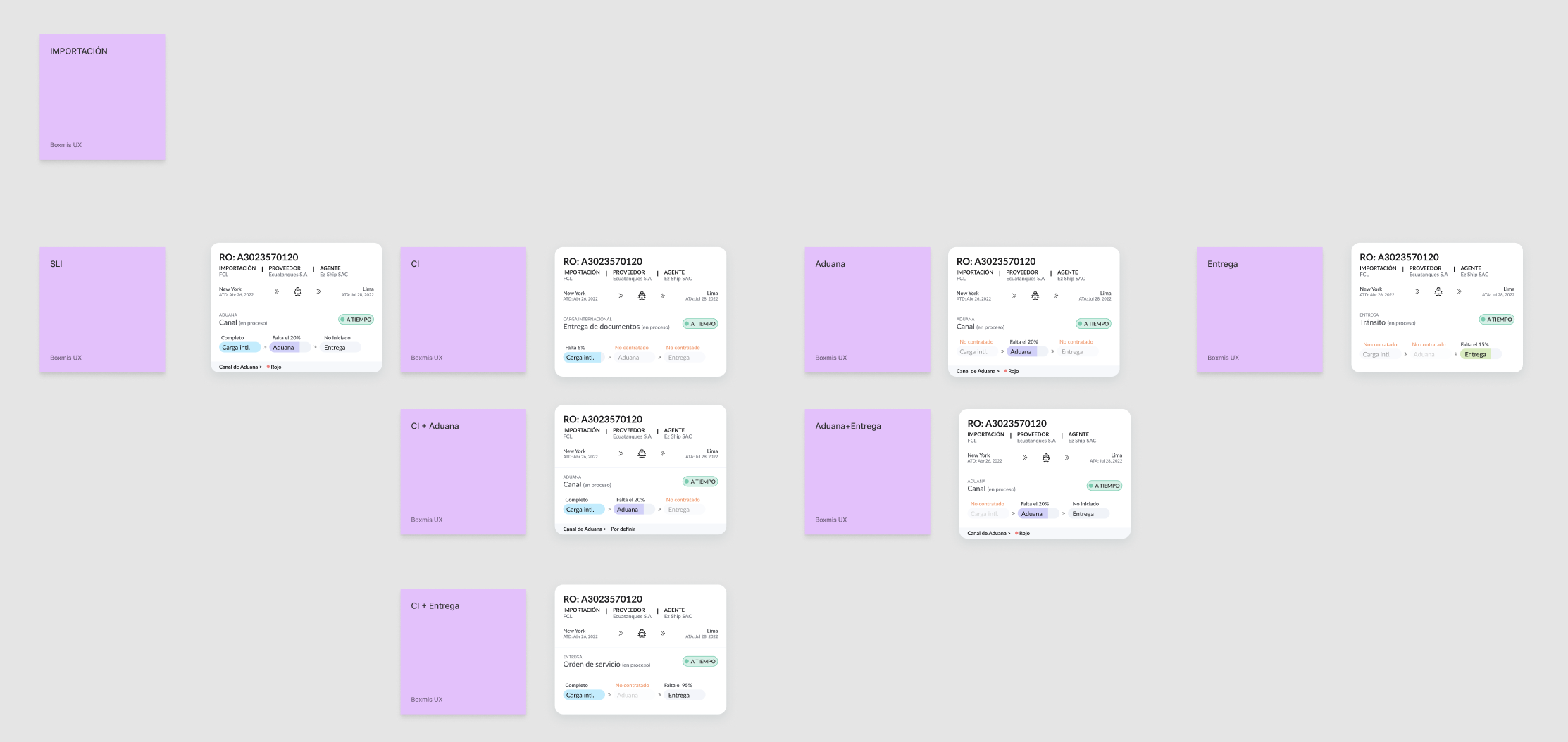
I mapped key logistics processes, main product flows, and documented cases to prepare the platform update.
The goal was to clarify what should be kept, simplified, or prioritized before scaling functionality.
3. Design system and handoff
I created the initial foundation of Boxmis’ design system, basic components, product patterns, and token updates with accessibility criteria.
I also documented guidelines so the new design team could continue the work.
Impact
New product iteration cycle and approximate time to delivery for new improvements.
Reduced handoff time to improve collaboration with engineering.
Documented process, architecture, and design system to scale the product.
Gallery

Learnings and improvements
- 01
Design as a decision system
When a company builds from a technical logic, design must organize decisions, improve prioritization, and create a sustainable way of working.
- 02
Negotiating scope is also design
Convincing leaders to reduce scope, launch an MVP, and measure quickly requires judgment and a clear connection to business impact.
- 03
Improvement opportunity
Today I would start with a UX/Product diagnostic template to map maturity, deliverables, and metrics from the beginning.